The programme was conducted as part of SMIIC’s ongoing efforts to support its Member States and strengthen their technical and institutional capacities in the implementation of OIC/SMIIC standards, while promoting awareness of halal systems and the related quality infrastructure.
The programme commenced on 7 June with an introductory workshop on SMIIC, its technical activities, and halal standards and certification within the framework of the Organisation of Islamic Cooperation. The opening session was attended by H.E. Mr Nidal Al-Shaar, Minister of Economy and Industry of the Syrian Arab Republic, and Dr Yasser Aliwi, Director General of the Syrian Arab Organization for Standardization and Metrology (SASMO), together with representatives of ministries, governmental institutions, the private sector, and technical and laboratory bodies.
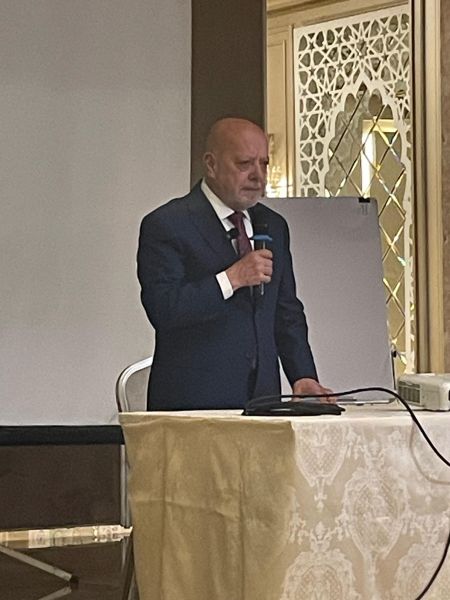
H.E. Mr Ihsan Övüt, Secretary General of SMIIC, participated as the keynote speaker during the opening session. In his address, he highlighted the importance of harmonizing halal standards among OIC Member States, strengthening quality infrastructure and mutual recognition, and supporting trade, consumer confidence, and the competitiveness of national products in regional and international markets.
The first day also introduced participants to the structure and activities of SMIIC, its technical standardization work, the development process of OIC/SMIIC standards, the global halal market, and the broader halal quality infrastructure. Key OIC/SMIIC halal standards were also presented, together with discussions on the current halal ecosystem in Syria and potential areas for future development.
Following the introductory workshop, the remaining four days were dedicated to specialized technical training on two major halal standards developed by SMIIC. The programme included a two-day training course on OIC/SMIIC 1:2019 – General Requirements for Halal Food, followed by a two-day training course on OIC/SMIIC 4:2018 – Halal Cosmetics – General Requirements.
The technical training was delivered by Dr Mohammed Ali Alsheikh, Specialist at the SMIIC General Secretariat and Technical Assistant to the relevant SMIIC Technical Committees on Halal Food and Halal Cosmetics.
The sessions provided detailed explanations of the requirements of both standards and their practical implementation, including requirements related to raw materials and ingredients, production and processing, prevention of contamination with non-halal materials, storage and transportation, halal assurance systems, and practical case studies related to the food and cosmetics sectors.
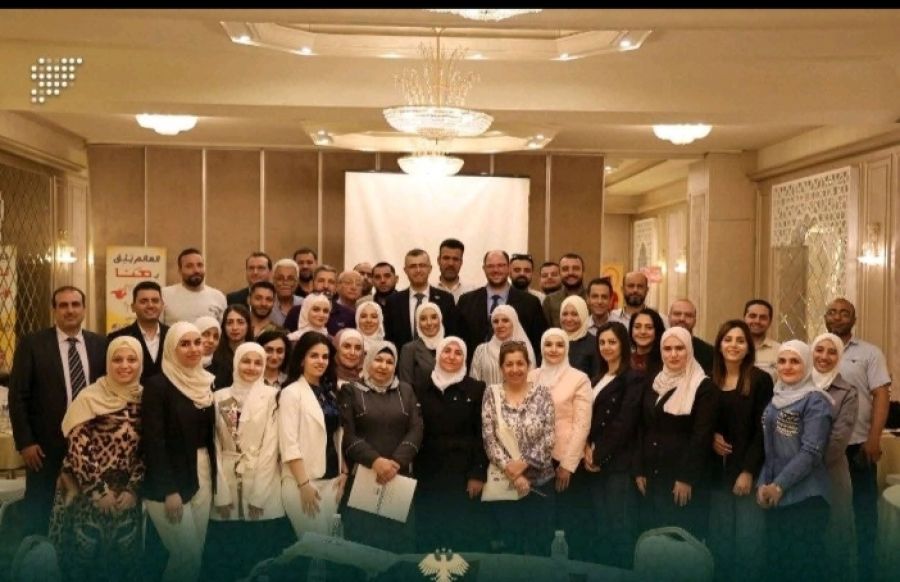
The programme brought together participants from governmental authorities, private-sector organizations, technical institutions, laboratories, and other relevant stakeholders, reflecting the growing interest in developing a comprehensive and reliable halal ecosystem in Syria.
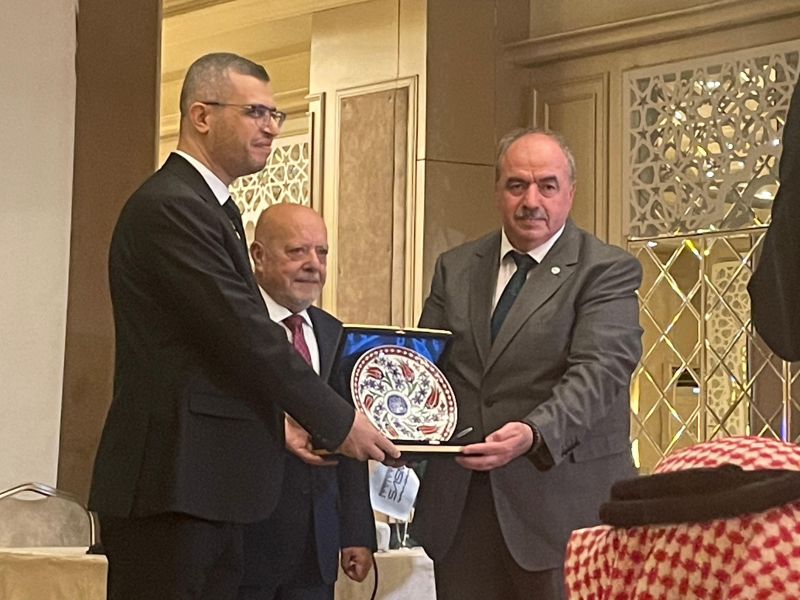
At the conclusion of the programme on 11 June 2026, participation certificates were presented to the trainees. Dr Yasser Aliwi emphasized the importance of such capacity-building activities in developing national technical competencies and strengthening Syria’s halal infrastructure, thereby supporting the quality and competitiveness of Syrian products and improving their access to international markets.
The programme forms part of SMIIC’s broader capacity-building activities for its Member States, aimed at supporting the effective and harmonized implementation of OIC/SMIIC standards, strengthening national expertise, facilitating knowledge exchange, and contributing to the development of a reliable and internationally harmonized halal quality infrastructure across OIC countries.